Thursday, December 6, 2012

Dec. 3 -Lago Llanganuco, Peru

I've been here before. Many years ago. Another life. A good one but still... awhile ago. Lago Llanganuco has suffered a warped reputation. On May 31, 1970 an earthquake shook the whole valley of Callejon de Huaylas causing severe damage to many communities, most especially the one lying at the outflow of what would become one of the major tragedies on the 20th century in the western hemisphere. Yungay happened to receive the most severe damage to both structures and life. As the major earthquake shook the whole region, it dislodged a large chunk of rock and ice from Mt. Huascaran. Cascading down the sloop and creating a landslide of immense proportion the rock and ice fell into Lago Llanganuco causing an overflow of the lake that rushed down the hillsides and literally burying the town of Yungay. The few that escaped had been at the cemetery which was located on a hilltop above the town. 20,000 people were killed, the town buried and to this day it remains a 'campo santo' or dedicated holy ground.
Lago Llanganuco is actually two lakes nestled between tall flanks of rock faces that jut up several thousand feet only to be backed up by even higher peaks in the 18-20,000' range. It is a spectacular site and awe inspiring on a clear day.


Our journey today by motorcycle was to check out the road and try and determine if we could do the two day trip up the canyon, up the sides of the mountains, over the 16,000' pass and down and around other mountains returning via another dirt road the next day. Our first look was not promising and speaking with truck drivers coming over the pass from the jungle they said they had to sleep in their truck awaiting a bulldozer to clear the road so they could pass. doesn't sound like my kind of fun on a motorcycle. Here are some pictures of the area.

A New Start. I'm hoping Blogspot will help me get my message out with photos!

I'm trying to get high (not in the 60's sense) up the side of Huscaran which is the 4th highest mountain in the western hemisphere at 22,204. This part of Peru allows for high elevation trips on questionable roads that expand into awe inspiring scenery. I'm lucky enough to have a day relatively clear of cloud cover. I got to 15,000' before I had to turn back but not before marveling at natures beauty. I had to pinch myself since satiation is so easy. We always have beauty around us but often take it for granted or it takes someone else to help us see it anew.

Saturday, November 3, 2012

ECUADOR- the High Country Nov. 3rd

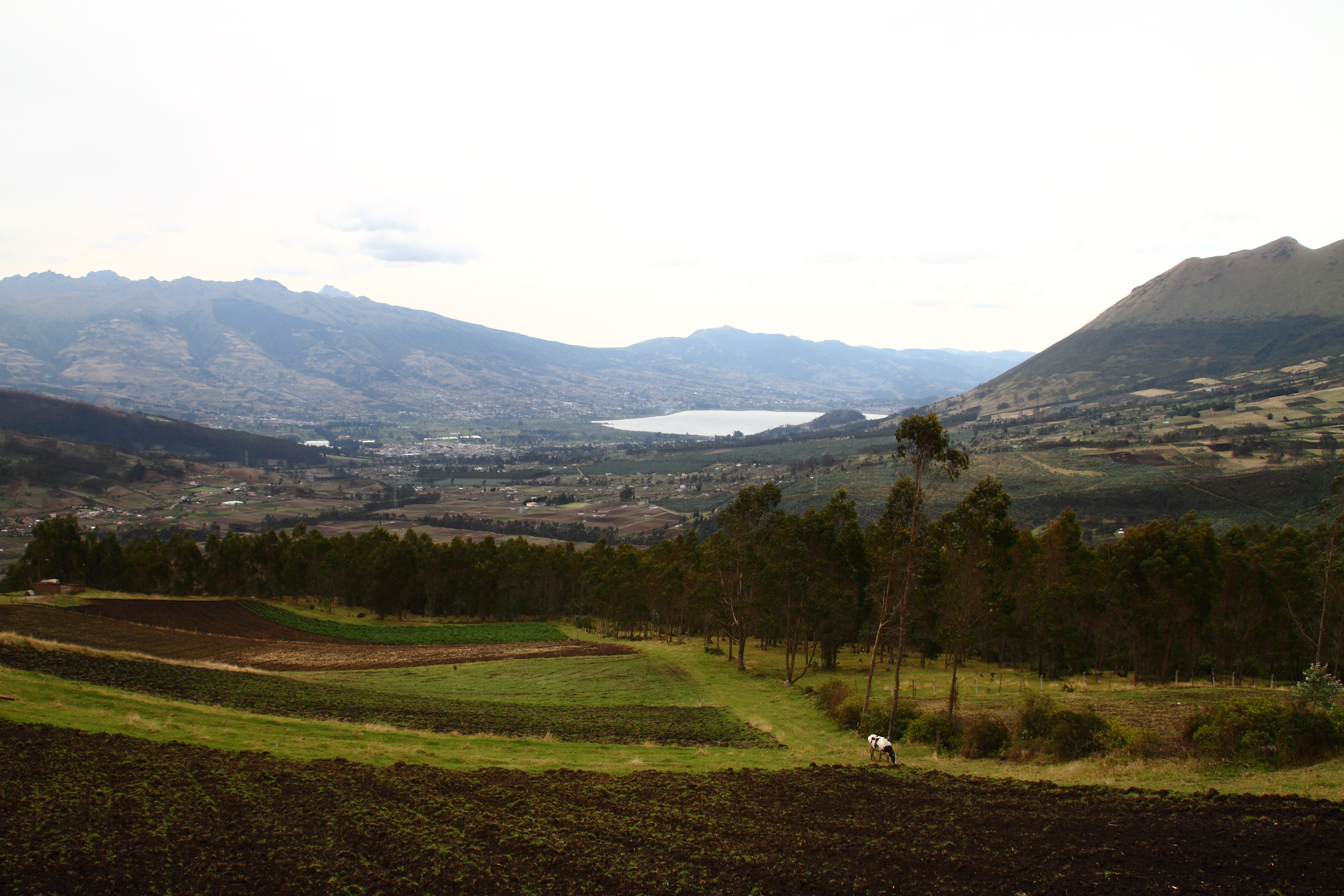
Ecuador is the size of Colorado yet it has an amazing diversity- from expansive coastal beaches to even more expansive jungle opening on to the great Amazon basin. Between these two geographical extremes lies country at many different altitudes where most of the people live. While it is not impossible to find people living at 13,500' it is not the best environment to eek out a living. Tubers will grow and some small animals will get by but for me I love the 11,000-13,000 foot elevation. Why? Many of the rolling hills and open expanses are at this altitude and just invite a stroll through tall grass. It is oftentimes raw with questionable weather. You can start out in the am with warm sun, yet with a thinness in the air. The cloud covers the sun, the temperature drops, the cloud passes the sun and warmth returns. The wind come up, you hunker down, the changing landscapes from clouds passing shifts the colors and creates magic.

It can and does happen everywhere. In your place also. It all happens so fast we tend to miss it unless we bundle up and strike out. Here are some shots.

[caption id="attachment_508" align="alignnone" width="1024"] lower elevation looking out over former hacienda lands returned to indigenous peasants in the 1950's as part of a re distribution program.
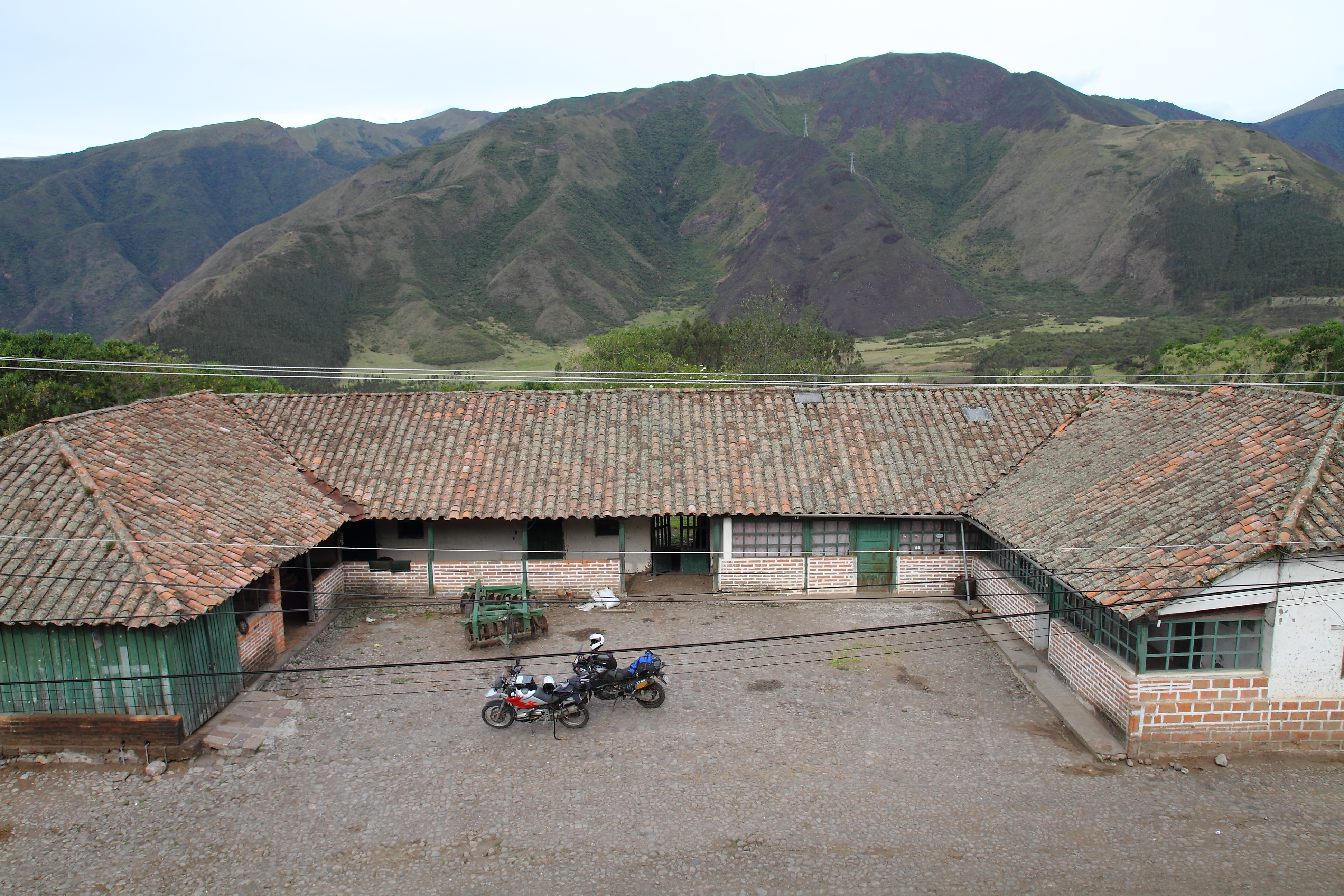
The farm houses of the Hacienda La Magdalena a magnificent structure just purchased by 87 partners (all indigenous farmers who have always lived and worked on the farm(sounds like middle age surfdom?) Right. With over 400 acres of fertile land the main house(not shown) is designated for tourist use.
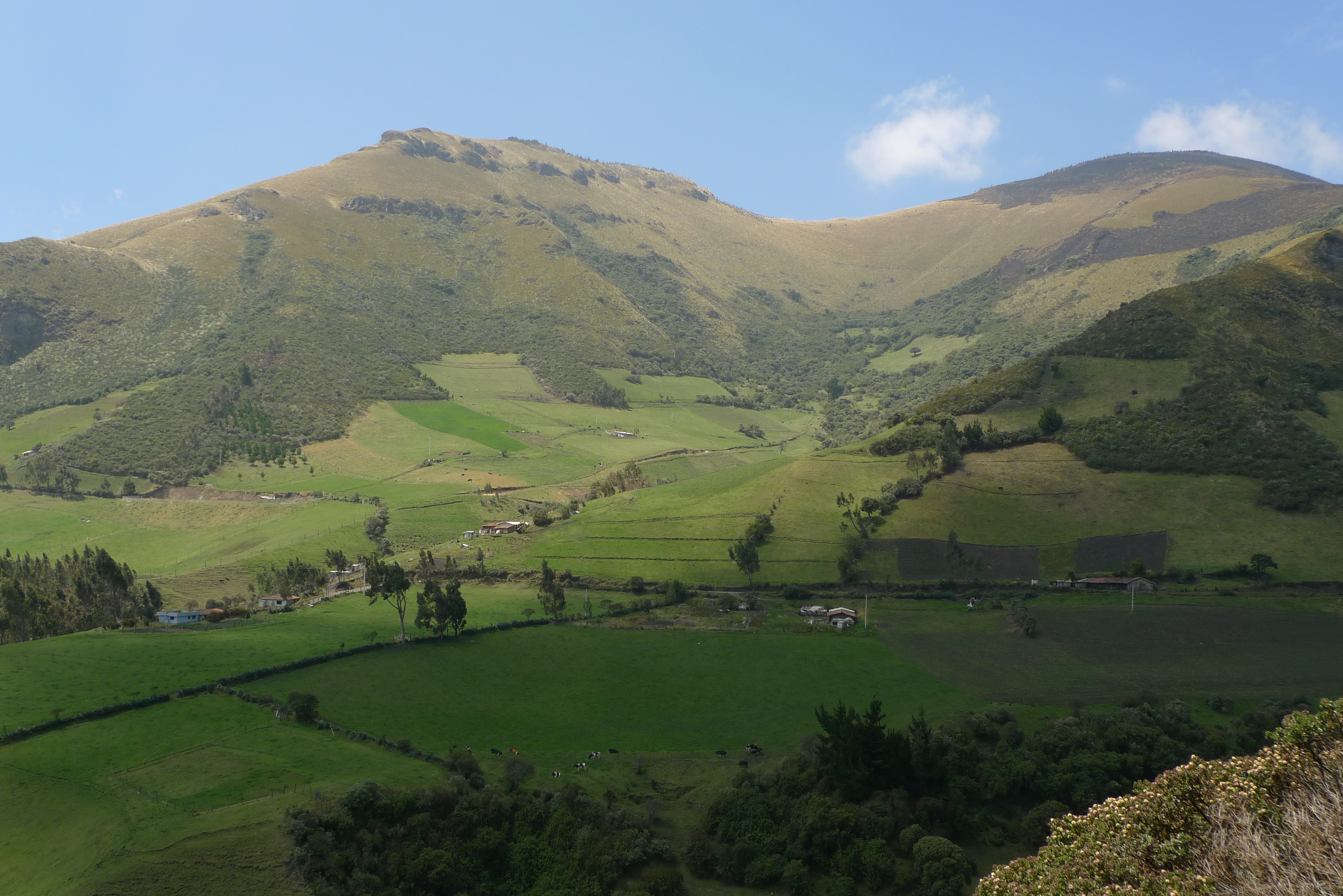
my favorite area to explore is the paramo shown here as the higher elevations. With short grasses, an occasional sheep or llama the views are incredible, once you manage to reach the elevation...
paramo without the long distance views. I also feel a chill in the air or is that a mist moving in. Time to bundle up.![/caption]


Wednesday, October 31, 2012

Quito, ECUADOR-Colonial Center- a brief detour

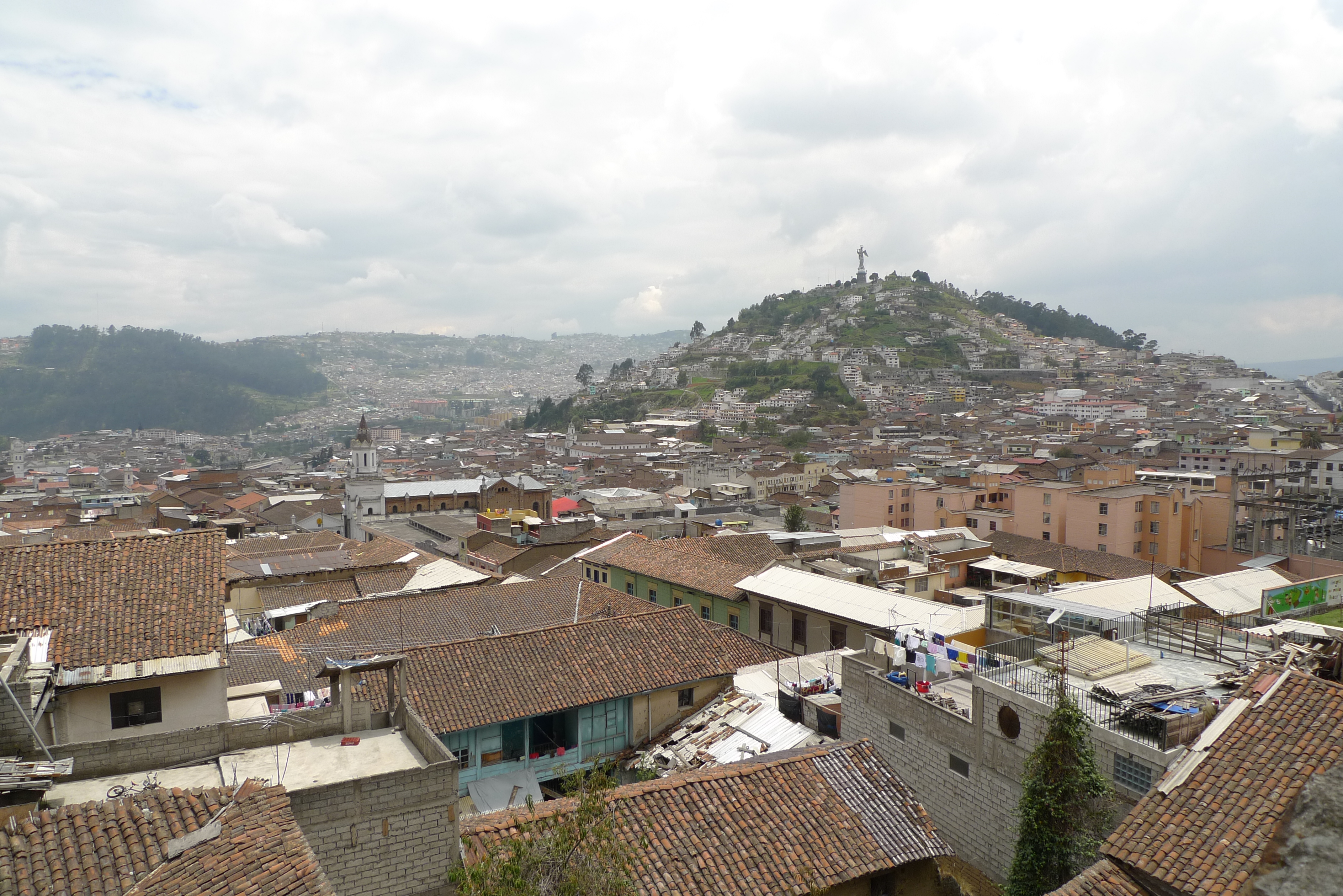
Quito has the largest identifiable colonial center in Latin America. It has the famous designation as a World Heritage Site and as such must restrict development, renovation,painting and change to maintain it's status. What I find remarkable about this colonial center of town is that it is still a vibrant, lower working class environment that has been cleaned up. It has only one street, La Ronda, that has received, in my opinion, undue sanitary whitewashing to the point of museum. Others might not agree but then,this IS my Blog. Over the years, drunks and prostitutes have been removed, streets closed to traffic which makes this a walking friendly area. Social police are present to offer directions and be helpful. Guns and rifles are not visible. Something else isn't very visible. Hole in the wall restaurants that cater to the lunch crowd. Seating between 4-8 tables 'cheek to jowl' I had a lunch that cost me $2.00. A large glass of juice, a large bowl of tasty soup, a plate full of rice,beans, a slice of plátano,and several pieces of cooked pork. $2.00, just like we remember it when we travelled 20-30-40 years ago. Gas is $1.46 regular. Enough. Back to Colonial Quito. A few pictures of the vibrant area at 10,000' and an interior that is old.

[caption id="attachment_501" align="alignnone" width="1024"] looking over colonial Quito toward el panacillo (the breadloaf'
another view

note how the string is lashed around a supporting timber, interwoven around the bamboo. Age unknown but must be over 150 years old and still holding strong.[/caption]

a contrast between a ceiling that is old and hand painted and the substrata that is supporting the ceiling. It is bamboo held together with 'cabulla' a string made from a plant in the maguey family.


Sunday, October 7, 2012

Costa Rica/October 6th Four Seasons in a day

[caption id="attachment_379" align="alignnone" width="683"] Guillermo, our Mexican psychiatrist, just got too fed up with the slow border crossing and started to do something about it.[/caption]

We are still in the rainy season although some days are bright and clear and others are full blown torrential rains. We might start out the day with the temptation of even just riding in a tee shirt since it is hot yet soon after the rain clouds form off in the distance, the wind really picks up and we know what is coming next. Visibility drops, we get buffeted by strong winds and focus on the road demands more intense concentration.

The day before yesterday we hit four seasons. An early morning sun with a hint of wind and heavy rains made for a long and difficult ride. We arrived in San Jose, a typical big city with all the traffic issues and navigation challenges imaginable. After a one hour stop to dry off, we again hit the road late in the afternoon. We were headed toward the Panama border. The winding mountain road took us up 10,000 and temperature changes from 46-72. Visibility was extremely low, my headlights had to remain on high beam and the curvy slow road was daunting. With no places to stay that were acceptable we continued on over the mountains at a snails pace with an occasional truck,bus or fast car passing on the curves.

We arrived about 8 pm ( one of our rules is not to ride at night...but if there is nowhere to stay, that is what you do.)at a hotel which was new, dry and too expensive but under the conditions....the owner had a BMW motorcycle, welcomed us, took us to his other hotel and we sat and enjoyed some nice food. The next morning he came and took us back to the restaurant for a full breakfast on him. Needless to say we didn't leave until about noon. With semi dry clothes and threatening clouds we headed into some twisty backroads over and down toward the tropical coast only to be slammed by hard and warm rain. Soaked and with limited visibility under the jungle canopy I could't make out the surface changes in the road or see the side ditches. Slowing way down, attempting to get some air into my visor I realized I still had my sunglasses on...duh...visibility improved without the glasses and warm rain is better than cold.

Late afternoon found us once agin drenched then sun then more rain and darkness fell without a hotel in sight. We finally arrived at one and that was the end of another fun filled day of riding in Costa Rica.

Monday, September 3, 2012

Critters afoot

While visiting my old friend Diego in Oakland I also met his 40 some turtles that live in most rooms of the house as well as the back yard. One night I woke up to scratching sounds in my bedroom. I went back to sleep. In the morning I noticed a turtle quietly sitting peering at me. this place is more like a turtle condo with good quality food and care,structured activities. You go Diego!

This looks good enough to eat ! Is this for the turtles or for us?

This looks good enough to eat ! Is this for the turtles or for us?

Dumpster diving in the land of plenty.After a trip down the Oregon coast and northern California coast I headed down to Oakland. I spent two days in Oakland with an old friend I met in Guatemala in 1970. He has about 40 turtles living in his back yard, in his kitchen,bathroom and any other room. Needless to say he's a herpetologist and a P.A. and totally committed to his herd of turtles.